
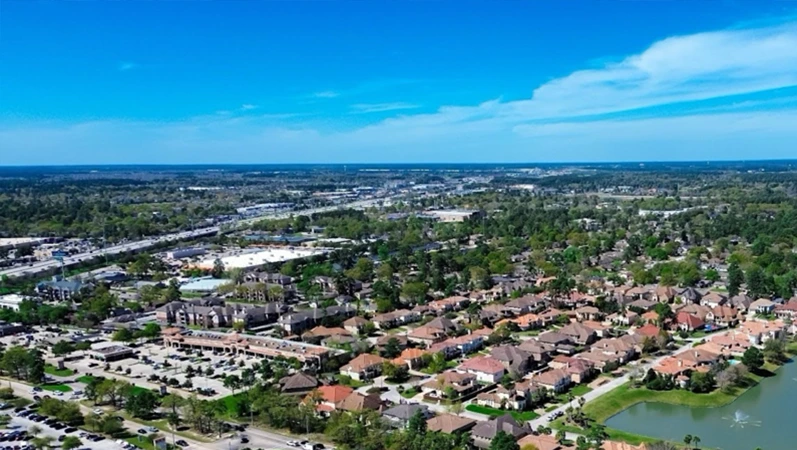
Is Houston a good place to live? Living in Houston attracts people from across the country who are looking for opportunity, diversity, and a city that continues to grow. As one of the largest metro areas in the United States, this city offers a unique blend of economic strength, cultural depth, and neighborhood variety. New residents often arrive with big questions about affordability, safety, and long-term lifestyle potential.
For anyone asking what’s it like to live in Houston, the answer depends on priorities. The city delivers strong job prospects, relatively affordable housing, and a vibrant food and arts scene. At the same time, it presents challenges tied to climate, traffic, and infrastructure. This guide breaks down the pros and cons of moving to Houston and the realities of living there, so readers can make an informed decision.
Pros of Living in Houston
Houston’s appeal lies in its balance of opportunity and accessibility. While it operates on the scale of a major global city, daily life can still feel manageable for many residents. Below are the advantages that consistently draw newcomers.
1. Affordable Cost of Living Compared to Other Major Cities
One of the most cited benefits is the cost of living in Houston, TX. Housing costs remain significantly lower than in cities like Los Angeles, Chicago, and New York. Renters often find larger apartments at the same price as a small unit in coastal markets, while buyers have access to a wide range of single-family homes.
Texas also does not collect a state income tax, allowing many residents to keep more of their earnings. The trade-off is higher property taxes and certain local fees, but overall living expenses in Houston remain competitive for a city of its size.
2. Strong and Diverse Job Market
Houston is known as an energy capital, but its economy extends far beyond oil and gas. Healthcare, aerospace, logistics, construction, and technology all play major roles. The Texas Medical Center alone supports tens of thousands of jobs, making the city especially attractive for healthcare professionals.
This diversity creates resilience. During economic shifts, Houston often recovers faster than cities tied to a single industry, contributing to long-term stability and career growth.
3. Cultural Diversity and Food Scene
Few cities match Houston’s level of cultural diversity. Residents experience global influences through festivals, neighborhoods, and an exceptional food scene. From authentic Vietnamese pho to award-winning Tex-Mex and international fine dining, culinary options reflect the city’s multicultural population.
This diversity also shapes daily life. Schools, workplaces, and community spaces bring together people from different backgrounds, which many residents credit for enhancing Houston’s quality of life.
4. Mild Winters and Year-Round Outdoor Activities
Winters in Houston are generally mild, with little to no snow. This allows residents to enjoy parks, trails, and outdoor dining throughout most of the year. Buffalo Bayou Park, Hermann Park, and nearby coastal areas provide space for recreation and relaxation.
While summers are intense, many people appreciate having consistent access to outdoor amenities without long winter shutdowns.
5. Large Housing Inventory and Neighborhood Variety
Houston’s size translates into choice. From urban lofts downtown to suburban master-planned communities, housing options are abundant. Buyers and renters can find neighborhoods that fit different budgets, lifestyles, and commute preferences.
This flexibility is a major advantage for people relocating with families, starting careers, or downsizing later in life.
Cons of Living in Houston

Despite its strengths, Houston is not without challenges. Understanding the drawbacks helps set realistic expectations for new residents.
1. Hot, Humid Summers
Houston summers are long, hot, and humid. Temperatures regularly exceed 90 degrees, and humidity can make outdoor activity uncomfortable. Air conditioning becomes a necessity, which impacts energy usage and utility bills.
2. Flooding and Hurricane Risk
The city’s flat geography and proximity to the Gulf of Mexico create flood risk during heavy storms. While infrastructure improvements continue, flooding remains a concern in certain areas. New residents should research flood zones carefully before buying or renting.
3. Traffic and Urban Sprawl
Houston is known for sprawl. Commutes can be lengthy, especially for those traveling across multiple highways. Public transportation exists but does not serve all areas equally, making car ownership essential for most households.
4. Property Taxes and Homeownership Costs
While there is no state income tax, property taxes can be high. Homeowners should factor these costs into long-term budgeting, especially in rapidly appreciating neighborhoods.
5. Crime and Neighborhood Variability
Crime rates vary significantly by area. When asking ‘is Houston safe?’, the answer depends largely on the neighborhood. Many communities are quiet and well-maintained, while others face higher crime levels. Research and local insight are key.
Best Neighborhoods in Houston for New Residents
Choosing the right neighborhood shapes the experience of living in Houston, Texas.
Best for Families
Areas like Sugar Land, Katy, and The Woodlands are popular with families due to strong schools, parks, and suburban layouts.
Best for Young Professionals
Midtown, Montrose, and Downtown appeal to young professionals seeking walkability, nightlife, and shorter commutes.
Best for Retirees
Communities such as Clear Lake and Cypress offer quieter living with access to healthcare and amenities.
Best for Budget-Conscious Buyers
Parts of North Houston and East End neighborhoods provide more affordable entry points into the housing market.
Cost of Living Breakdown for New Residents
Understanding everyday costs helps newcomers plan realistically and avoid financial surprises. While Houston is considered affordable for a major metro, expenses still vary based on lifestyle choices and neighborhood selection.
Housing
Housing remains the largest expense for most residents, whether renting or buying. Prices vary widely by location, with urban neighborhoods typically costing more than suburban areas, but overall affordability continues to attract new residents.
Utilities
Utility costs can fluctuate throughout the year, with electricity being the most variable expense. Extended summer heat increases air conditioning use, which often results in higher monthly energy bills during warmer months.
Transportation
Most residents rely on personal vehicles, making transportation a consistent monthly expense. Gas, insurance, maintenance, and parking costs can add up, especially for those with longer commutes across the metro area.
Groceries
Grocery prices in Houston are generally close to the national average, making food costs manageable for many households. The city’s diverse population also supports a wide range of local markets that offer affordable produce and international ingredients.
Healthcare
Houston is home to one of the largest medical complexes in the world, providing residents with strong access to healthcare services. Competition among providers helps keep costs relatively competitive compared to other major cities.
What New Residents Should Know Before Moving
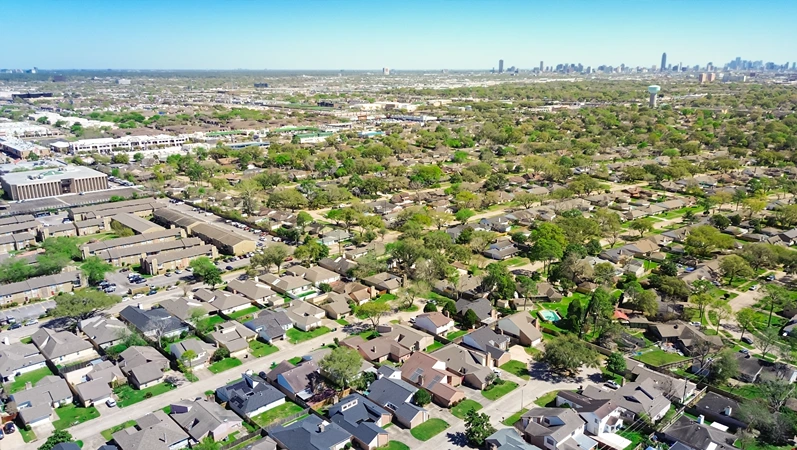
Relocating to Houston requires preparation beyond housing and job considerations. Understanding daily lifestyle factors can help newcomers adjust more smoothly and avoid common relocation challenges.
Weather Awareness
Houston experiences long, hot summers along with periods of heavy rain during storm seasons. Being prepared for heat, humidity, and sudden weather changes helps residents plan housing needs and daily routines more effectively.
Commute Planning
Commute times can vary greatly depending on location and time of day. Choosing a home closer to work or major highways can significantly improve work-life balance and reduce daily stress.
Flood Zone Research
Flood risk varies by neighborhood, making research an important step before signing a lease or purchasing a home. Reviewing flood maps and insurance requirements can prevent unexpected expenses and long-term complications.
Community Fit
Houston’s neighborhoods differ widely in culture, pace, and amenities. Spending time exploring potential areas before committing helps ensure the community aligns with lifestyle preferences and long-term goals.
With guidance from Apex Realtors, new residents can explore communities that match their lifestyle preferences, budget, and long-term goals, ensuring a smoother transition into Houston living.
Who Is Houston Best (and Not Best) For?
Houston works well for professionals seeking career growth, families wanting space, and buyers looking for value. It may be less ideal for those who dislike heat, prefer dense public transit systems, or want coastal walkability without driving.
Frequently Asked Questions About Living in Houston
The following answers address common concerns to help prospective residents better understand what to expect when living in one of Texas’s largest cities.
Is Houston affordable for new residents?
Compared to many major cities, yes. Housing and overall living expenses in Houston, Texas remain competitive.
How bad is traffic in Houston?
Traffic can be heavy, especially during peak hours. Commute length depends heavily on location.
Is Houston safe to live in?
Safety varies by neighborhood. Many areas are safe and family-friendly, while others require caution.
What is a livable salary in Houston, Texas?
A comfortable salary often starts around the mid-five figures, depending on lifestyle and household size.
What are the biggest drawbacks of living in Houston?
Heat, traffic, and flood risk are the most common concerns.
Is Houston a good place to raise a family?
For many families, yes. Access to jobs, schools, and housing makes it attractive.
A Realistic Look at Life in Houston
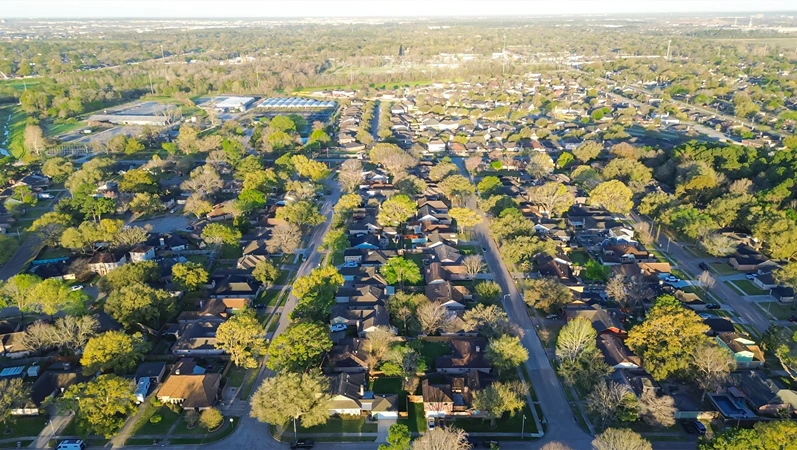
Living in Houston offers a mix of opportunity, affordability, and cultural depth that continues to attract new residents each year. From a diverse job market and varied neighborhoods to a manageable cost of living and strong healthcare access, Houston’s quality of life appeals to families, professionals, and retirees alike. While factors such as heat, traffic, and flooding should be considered, many residents find that the benefits outweigh the challenges when the right neighborhood and lifestyle choices are in place.
For those planning a move, working with experienced local professionals can make the transition far smoother. Apex Realtors provides valuable insight into Houston’s housing market, helping buyers and renters navigate neighborhood options, property values, and long-term investment potential. Contact us today!